
On generosity, hope, and the quiet work that keeps compassion moving forward
Fundraising has never been simple work and there are moments in history when it becomes especially challenging. Many fundraisers would say we are living through one of those moments now. Communities are navigating rising costs, economic uncertainty, and a steady stream of global and local crises. Donors are feeling it. Organizations are feeling it. And the people who work every day to connect generosity with need are feeling it too.
In times like these, it is easy for fundraisers to begin questioning the work. Is it the right moment to ask? Are people too overwhelmed? Does what we are doing still matter when the problems seem so large?
These questions are understandable. But they can also obscure something fundamental about the role fundraisers play in the world.
Fundraisers are not simply people who ask for money. They are the people who make generosity possible.
Every day, fundraisers sit at the intersection of compassion and action. Across Canada and around the world, people want to help. They see the needs in their communities, they hear about challenges facing others, and they feel that instinct to contribute. What fundraisers do is create the moment where that instinct becomes something real.
That work matters more during difficult times, not less.
Writer Anne Lamott captures this idea beautifully in her book, “Almost Everything: Notes on Hope”. She reminds readers that you do not have to feel hopeful to do hopeful things. Often the action comes first.
That insight speaks directly to the work of fundraising.
When someone answers a call, reads a message, or decides to give, they are choosing action over helplessness. They are deciding that even when the world feels uncertain, they can still make something better happen for someone else.
Writer Rebecca Solnit expresses a similar idea in “Hope in the Dark” when she describes hope not as something passive, but as something people use to create change. Hope, she writes, is not something we sit and wait for. It is something we act on.
History shows that philanthropy often rises in response to hardship. During economic downturns, natural disasters, and global crises, charitable giving does not disappear. It shifts and adapts, often becoming more focused on the causes people care about most. Reporting from the Association of Fundraising Professionals and research compiled by GivingTuesday consistently show that generosity remains a reliable human behaviour, even during periods of financial strain. People continue to give because helping others is part of how communities endure difficult moments.
Fundraisers help make that endurance possible.
When a donor receives a call, reads a message, attends an event, or opens an email that speaks to their values, they are being invited into something larger than themselves. That invitation is not about pressure. It is about reminding people that they already carry the capacity to help.
At its best, fundraising is not about transactions. It is about connection. It is about helping people see how their compassion can move from intention to impact.
That perspective can be easy to lose when the days feel long and the headlines feel heavy. Fundraising teams are often working through rejection, uncertainty, and shifting economic realities while still holding space for the stories of people who need support. It requires persistence, resilience, and an extraordinary amount of empathy.
Fundraisers are part of the infrastructure of hope. They help ensure that hospitals can advance research, that communities can respond to emergencies, that advocacy organizations can defend human rights, and that charities can continue showing up for the people who depend on them.
None of those outcomes happen without someone creating the opportunity for generosity to appear.
That opportunity might look like a thoughtful conversation with a long-time donor, a carefully written email, a campaign that reaches someone at exactly the right moment, or a phone call that helps someone decide to give for the first time.
Archbishop Desmond Tutu said, “Do your little bit of good where you are; it’s those little bits of good put together that overwhelm the world.” The work of fundraising is often exactly that. Small moments of generosity, multiplied across communities, becoming something powerful.
In difficult times, the work of fundraising can feel like pushing against the current. But every act of generosity has to begin somewhere. It begins with someone noticing the need and it continues because someone else created a path for that compassion to become action.
Former Czech president Václav Havel once wrote that hope is not the belief that things will turn out well, but the certainty that something makes sense, regardless of how it turns out.
That idea speaks directly to the work fundraisers do.
Even in the hardest seasons, fundraisers help people help each other. And in doing so, they keep generosity moving forward, one conversation, one message, and one moment at a time.
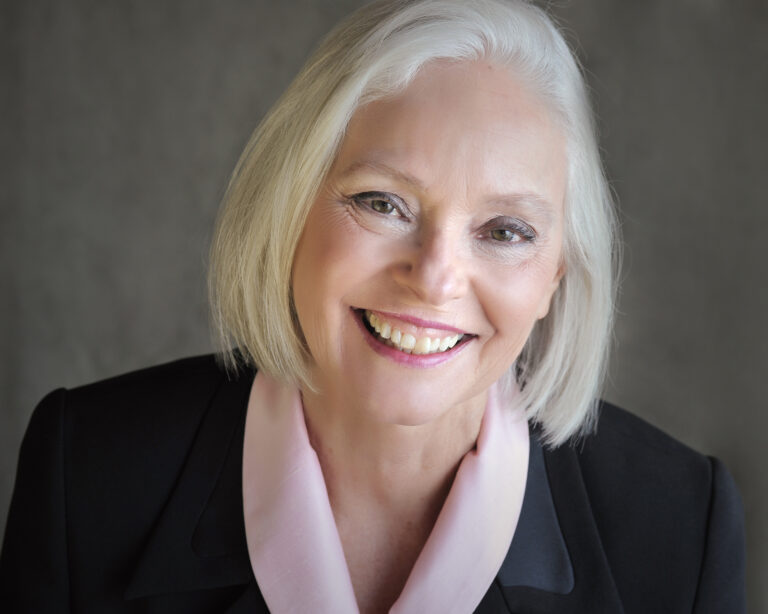
Lisa Smith is Director of Operations at Keys Marketing Group and has spent more than a decade working in nonprofit fundraising and donor engagement across Canada. She is particularly interested in the human side of fundraising and the role fundraisers play in helping generosity move from intention to action. LisaS@KeysMarketingGroup.com