Moving from hero to guide is not a branding exercise. It requires changes in language, process, power, and practice
In my last article for Hilborn Charity eNews, I explored an important question: Is your organization the hero of the story, or the guide?
For many nonprofit leaders, the answer feels straightforward. We know the people and communities closest to the work should be at the centre. We know our role is to support, not overshadow. We know dignity, consent, and context matter.
But believing that is not the same as building it into everyday practice.
Shifting from hero to guide is not just about changing your language. It affects how stories are gathered, who makes decisions about them, how staff are trained, and what happens when visibility starts pulling against your values. That is where this work gets harder.
Most people will say they believe in ethical storytelling. The real test is what happens when it asks them to slow down, question their instincts, or hold back a story or image that could have worked well for visibility or fundraising.
- What happens when the photo that would get the most attention on social media is the one you know you should not use?
- What happens when someone agrees for their story or image to be used, but changes their mind later, especially after you have sent it out or published it?
- What happens when a story could help your campaign, but the version that works best takes too much away from the person’s lived experience, causing more harm than good?
These situations are not unusual. They come up more often than people may think, especially when storytelling is tied to visibility, fundraising, and public trust.
At Cameras For Girls, I have learned that moving from hero to guide often means choosing care over convenience. It may mean fewer stories, slower approvals from students as we wait for their feedback, or more discussions with our stakeholders or the Board before something goes public. That does not make the work weaker. It makes it more accountable.
Organizational size shapes the challenge, but not the responsibility
As a one-person-led organization, most decision-making falls to me. In one respect, that has sometimes been an advantage. I can make quick decisions, pivot when something is not working, and learn from it in real time, but over the long term, that kind of decision-making can also become a limitation. It can create strain, slow deeper implementation, and leave too much resting on one person’s capacity.
Larger organizations may have more expertise and more hands, but they can also move more slowly when decisions pass through multiple layers of marketing, fundraising, and leadership. That is also where another challenge can show up. Is everyone working from the same understanding of storytelling or dare I ask, from a position of what makes it ethical? Do all departments understand the risks of telling a story or sharing an image? Do they know when to stop, question, or hold something back?
That is why this is not really about an organization’s size. It is about whether the people making decisions are aligned in their values and clear on their responsibilities. Because if that alignment is missing, the story can easily move faster than the ethics behind it.
Being the guide doesn’t mean giving up control
Many organizations think that once they stop putting themselves at the centre of the story, they have fixed the problem, but that is only part of the shift.
An organization can call itself the guide and still keep a very tight grip on the story. It can still decide what’s included, softened, or edited out, and what version feels most useful to their donors.
Having access to someone’s story does not make it yours. The fact that a story is moving, useful, or fundraising-friendly does not give an organization the right to shape it however it wants. So, the real question becomes: who holds the power, who gets to shape the story, and who benefits from the way it is told?
At Cameras For Girls, one method we use is to ask our students to write or record themselves telling their own stories. For us, that matters. It makes the process more participatory, but it also keeps their message grounded in how they want it heard or seen—not just how a marketing lens, fundraising goal, or brand guide might want to shape it.
The shift has to show up in daily practice
If an organization truly wants to move from hero to guide, it has to start asking different questions.
Not, “How do we tell a stronger impact story?”
Instead, “Whose story is this, and who benefits from it being shared?”
Not, “Do we have content from this program?”
Instead, “Was consent fully understood, freely given, and grounded in the person’s reality?” “Did they understand what they were signing?”
Not, “Will this help people give?”
Instead, “What could this mean for the person in the story next week, next year, or five years from now? Could it cause them harm?”
Asking these questions changes how an organization tells stories and starts to shift where the power lies, especially in nonprofit work, where storytelling is sometimes not aligned with the community it works with or supports.
Community centred work requires listening, not assuming
One way we avoid making decisions based solely on our own assumptions, is by asking our students for feedback and stories in their voice. We do a survey at the beginning, middle and end of our program. This practice has shaped our programming and storytelling, and our decisions in meaningful ways.
This kind of listening changes the relationship. It moves the organization away from speaking for or about the people and communities we work with and closer to building with them. And that, too, is part of what it means to be the guide.
Early on in our own journey to understand who is the hero and who is the guide, we learned some hard lessons. For example, when we shared that one of our students, Joyce, was working in sports photography, we meant it as a positive story. We had not fully considered what sharing that information publicly could mean without her clear consent. When her brother became upset because it her working in sports photography broke cultural norms, we took the post down. It was a reminder that even when intentions are good, stories can carry different consequences in communities or cultures shaped by more traditional values. When those moments are handled with honesty, humility, and a willingness to correct course, they can build trust rather than break it.
Language matters, but systems matter more
If an organization says that people are the heroes of their own stories but continues to describe them in passive, dependent, or overly simplistic ways, the gap between intention and practice becomes apparent. In work that takes place in the Global South, that gap can quickly slip back into colonial framing, where people are no longer seen as capable, complex, or self-determining, but instead as poor, helpless, or in need of saving.
For us, this meant being more careful about the words we use to describe our students and our role in their journey. The language we choose matters because it reflects whether we see people and communities as partners in the work or simply as evidence of it. However, language alone is not enough. Ethical storytelling cannot sit only with the communications team. It has to flow across the organization, from leadership to programs, marketing, and fundraising.
At Cameras For Girls, we have drafted an ethical storytelling framework, even though we do not yet have the team capacity to fully implement it. It helps to guide the training we deliver in Africa and is also shared with the volunteers who support us there, so that when stories are collected in the field, ethical practices are followed from the start.
Moving forward with intention
At Cameras For Girls, an intentional shift in storytelling is part of the work. It’s not a one-time fix. It’s something we have to keep looking at, learning from, and improving over time. When we really step into the role of a guide, it becomes less about proving impact and more about protecting dignity. We worry less about what performs well publicly and more about what is true. This kind of shift can be slow and it can be difficult. It can also create internal tension, but in the long run, that is how trust is built. And trust is what gives storytelling its real value.
What would change in your organization if ethical storytelling was treated not just as a communications tool but as a shared responsibility across the whole team?
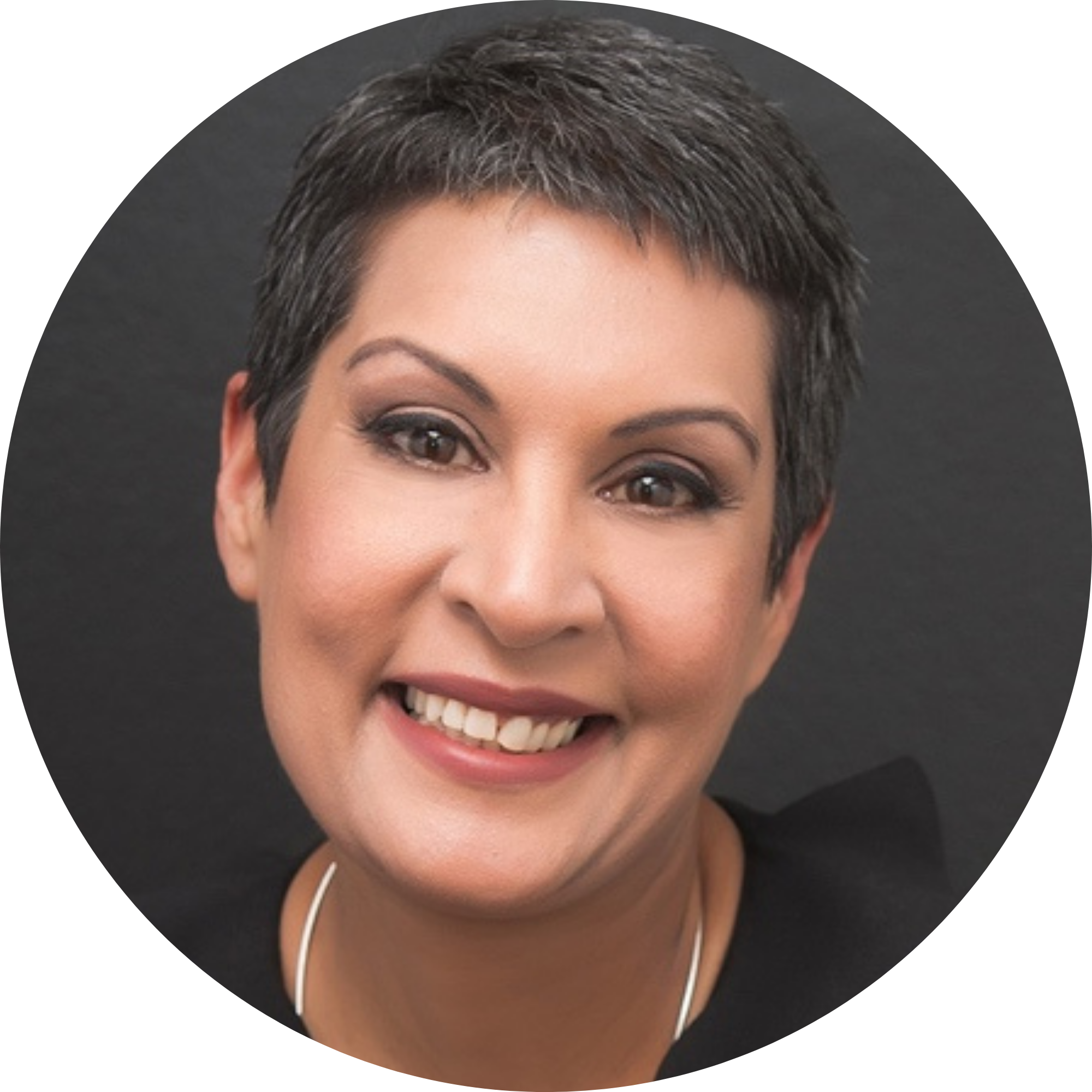
Amina Mohamed is a photographer, ethical storytelling advocate, and the Founder of Cameras For Girls. Her work focuses on shifting power back to the storyteller, ensuring young women across Africa can share their own narratives with accuracy, dignity, and informed consent. Through her year-long photography and communications program, Amina has trained over 200 women, with more than 80 percent securing paid media work. She now teaches ethical storytelling to nonprofits, helping them move from extractive narratives to partnership-based storytelling that builds trust and honours humanity amina@camerasforgirls.org