How many times have you said, “I’ve reached out, but I still don’t have the numbers we need and the report is due next week.”
If you’re struggling to get the stories or numbers for the stewardship report you’re working on, or you can’t get a program staff member to book time to work with you on a proposal—this one’s for you.
I can’t count how many times I’ve heard, “I’ve reached out, but I still don’t have the numbers we need and the report is due next week.” Or, heard a program staff member complain that they weren’t consulted on a proposal that included promises that couldn’t be fulfilled. The fundraising response would be that they’d tried to have a conversation but gave up after several attempts to book a meeting.
The good news is that everything you’ve learned about building relationships with donors, is all you need to know to change your situation and improve your relationships with your program staff.
Adopt a different perspective
About a month ago, I was sitting in front of my laptop gritting my teeth. A funder had invited us to submit a proposal (cue cheering) but I couldn’t get it done without input from the program staff and they had gone radio silent. I said to the dogs, umm, I mean, myself, “I’ve sent them two emails, and they haven’t responded. Don’t they want the money? This is their project.” And then I heard myself and it stopped me in my tracks.
It was similar to experiences I’ve had when reaching out to donors for meetings. “Don’t they even care about the organization?” With donors, I know that sending out the same email repeatedly and expecting a response to the third one when the first two didn’t engage them is a waste of time. It reminds me to take the donor’s perspective and think about what’s important to them, and what might be occupying them. I gave myself a little shake (yes, I spend a lot of time with my dogs) and reset.
First, I thought about what I was asking for. I was asking the program staff to draft answers to proposal questions. This is generally a difficult task for me, and I do it for a living. Then I thought about what else might be going on for them. It was fiscal year end. We were in the midst of a reorganization. And truly, program staff are very busy at the best of times. I sighed out my aggravation, breathed in compassion, and composed an email asking if we could meet next week to figure out the next steps for the proposal together. They all responded yes that day.
Fundraising is your focus, not theirs
Just like donors, program staff need to be met where they are. Just like donors, program staff don’t respond well to the same message simply being bolded and painted with urgency. Just like donors, fundraising isn’t central to program’s staff’s lives or work. To help remind me going forward, I put together a short list of what to do and what not to do. Hopefully, you and your organization’s staff can benefit from it too.
- Don’t just reach out to program staff when you need numbers or proposal answers. Send notes of appreciation. Share proposal status updates. If you can, go into their office area and initiate conversations that have nothing to do with fundraising as a means to build trust and familiarity.
- If you’re not getting the response you want (or need), don’t send the same message louder. Take a step back and think about their perspective. Consider what you’re asking of them. Think about how you can meet them where they are instead of where you want them to be.
- Remember that it takes time and effort to build trust. Be patient. Be kind.
When I met with the program team, I asked if it would be easier if we had a “brain dump” session together. They could work their way through the proposal questions during the session while I took notes and asked questions. I could take this information and then draft the proposal. I saw relief on their faces even before they responded enthusiastically. We set aside an hour the following week.
During the session, I learned a ton, they developed great plans, and there was a lot of warm energy and good feelings. I believe these are the work experiences that we’re all looking for:
- to be a part of something important and effective,
- to build warm trusting relationships, and
- to serve our organization’s mission.
All I needed to do was approach my program staff with donor relationship best practices.
I’d love to hear your tips and strategies for building strong relationships with your program staff. What are you doing to build trust and bridge differences?
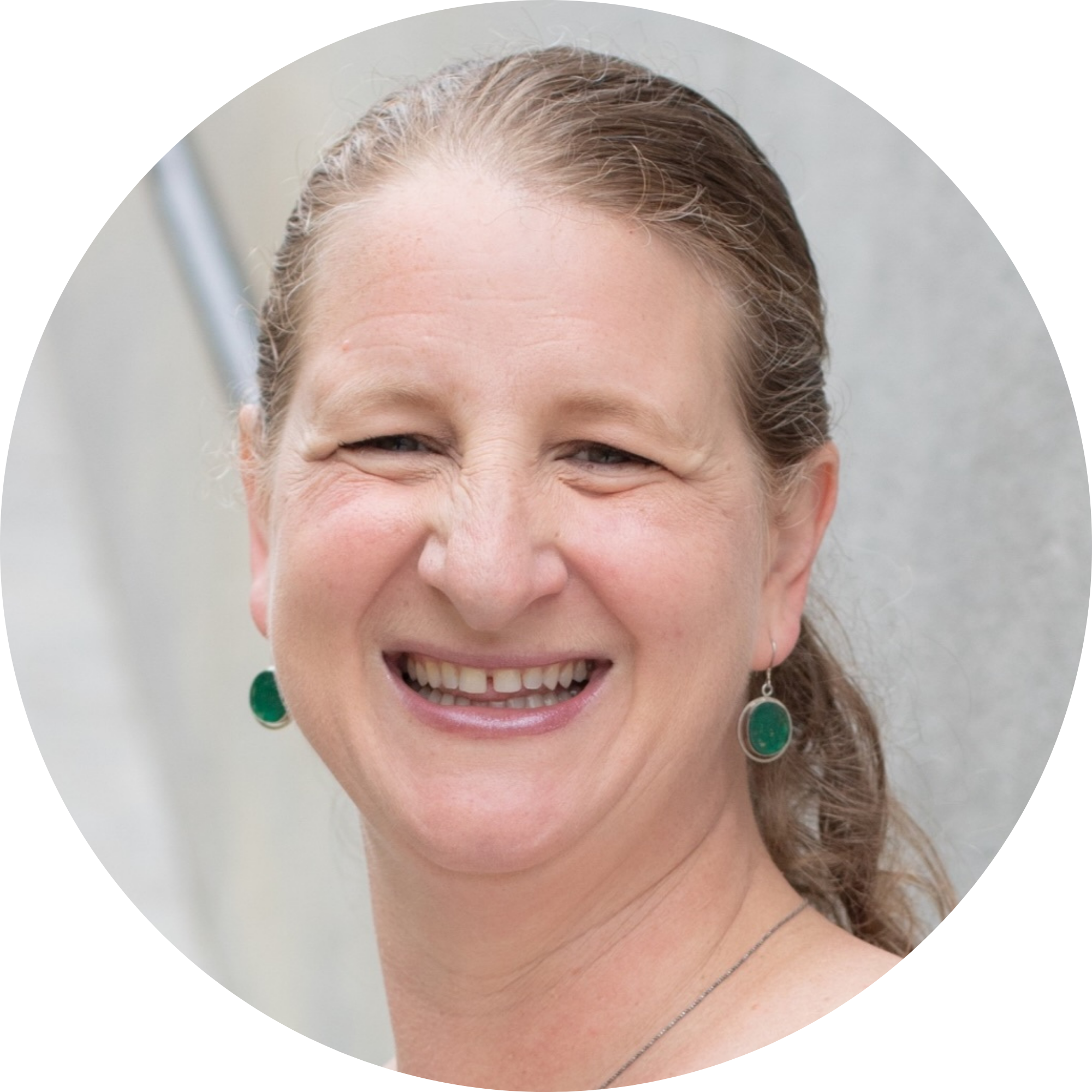
Nicole Arnold is a Major Gifts Officer at Lumenus Foundation. A self-described “fundraising geek,” she has worked in fundraising for over thirty years across the sector, with a particular love for building major gift programs. Nicole believes in the power of combining kindness and data to drive positive change and derives daily inspiration from her two dogs.