Planned giving is being positioned as something important, but not always immediate
“Planned Giving is long-term.”
We say it often.
In meetings.
In strategy conversations.
In that steady, reassuring tone that suggests it matters… just not right now.
And over time, that language starts to shape how it is understood.
Not intentionally.
Not because people do not value it.
But because when something is described as long-term, it can begin to feel like it sits just outside of today’s priorities.
Something we will revisit.
After year-end.
After campaign.
After the more immediate goals are met.
And in fundraising, there is always something more immediate.
The comfortable framing
The phrase itself is not wrong.
Planned gifts often take years to realize. But somewhere along the way, “long-term” stopped describing the outcome and started influencing how the work is prioritized.
And that is where the tension begins.
It can start to feel like:
Not urgent.
Not immediate.
Not something that needs attention today.
It is acknowledged.
It is valued.
It is just not always fully integrated into how growth is actively pursued.
Meanwhile, in real time
Because here is what is actually happening.
Donors are having conversations now.
They are thinking about their legacy now.
They are making decisions now.
Not at realization.
Not years down the line.
Now.
The work of planned giving lives in those moments.
In conversations that require trust.
In relationships that take time.
In decisions that are shaped quietly, often long before any document is signed.
By the time a gift is realized, the most important part of the work has already happened.
The measurement gap
And yet, we tend to measure planned giving at the very end of that journey.
At realization.
At the moment the gift is received.
Everything that comes before it; the conversations, the intent, the confirmations, often sits outside of how success is defined.
Which creates a disconnect.
Because the work is active.
But the recognition is delayed.
And when something is not measured, it is often not prioritized.
Not because it lacks value, but because it is harder to see in real time.
How it shows up internally
This is not about a lack of belief.
Most organizations understand that planned giving matters.
But the way it is positioned can make it feel like something that sits alongside the work, rather than within it.
As something important, but not always immediate.
And so, it can become under-resourced, under-supported, or simply under-integrated into broader strategy.
Not intentionally.
But structurally.
A different way to see it
Planned giving is not passive work.
It is not something that happens “someday.”
It is some of the most intentional, relationship-driven work we do.
It requires trust.
It requires timing.
It requires conversations that go far beyond transactions.
It is not about waiting.
It is about building.
And that work is already underway.
Final thought
Planned giving is often described as long-term.
But perhaps it is more accurate to say that the outcomes are long-term, while the work itself is happening right now.
In conversations.
In relationships.
In decisions that take shape over time.
The opportunity may not be to change the work, but to reconsider how we prioritize it.
Because planned giving is not sitting somewhere in the future, waiting to begin.
It is already underway.
Planned giving isn’t slow.
We’ve just been slow to prioritize it.
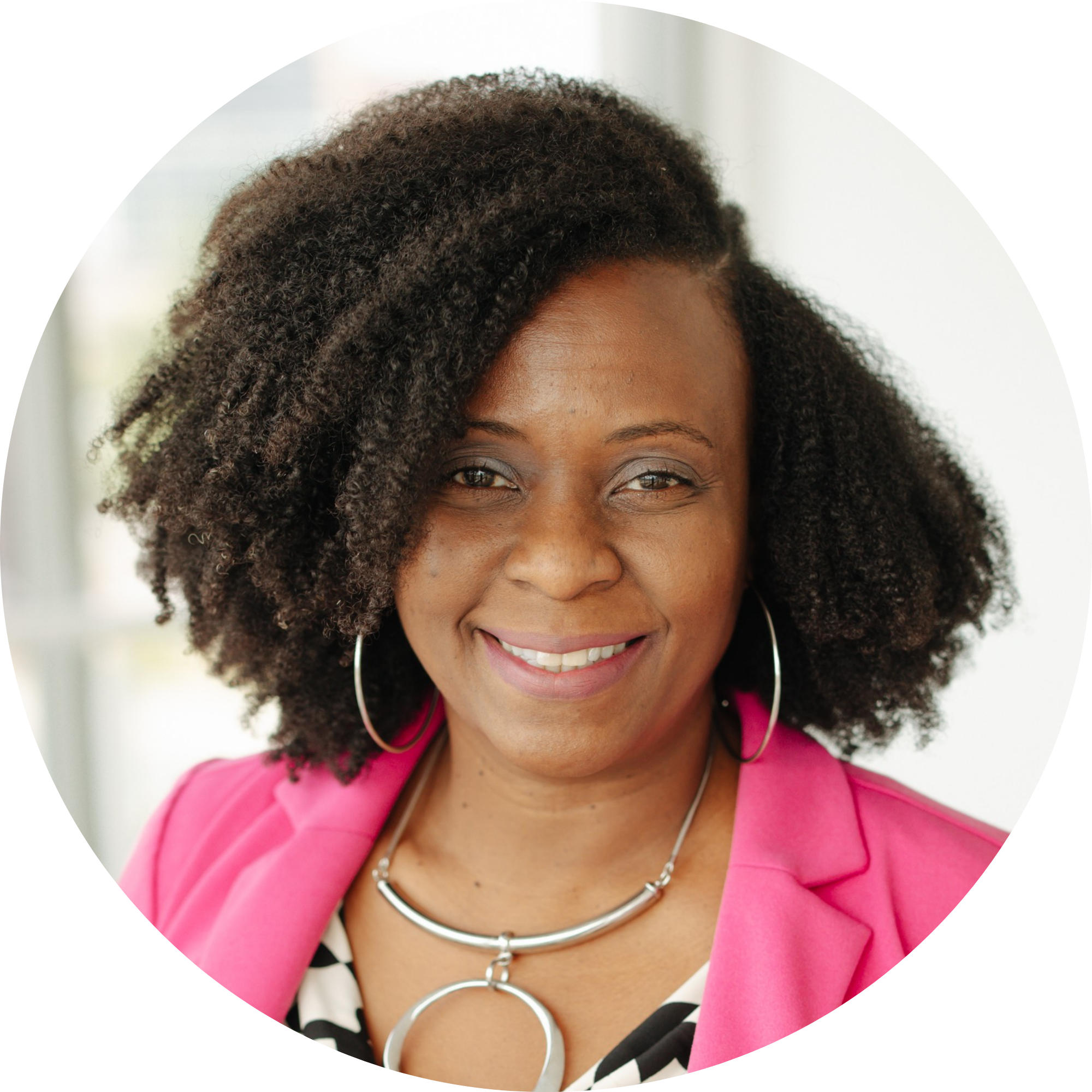
Rhonda Sogren is the Associate Director of Legacy and Planned Giving at North York General Foundation and Co-Chair of the CAGP GTA Education Committee. With over a decade of fundraising experience, including eight years dedicated to legacy gifts, she is passionate about elevating diverse voices in philanthropy and advancing culturally inclusive approaches to estate and legacy planning. Rhonda frequently presents and writes on the intersection of culture, identity, and giving. rhonda.sogren@nygh.on.ca