Can we talk about the human side of being a fundraiser?
There are people walking into offices every day carrying heartbreak no one knows about.
They answer emails.
They join meetings.
They present ideas.
They speak to donors.
They smile professionally across conference tables.
They ask others how they are doing.
And all the while, something inside them may quietly be unraveling.
A parent is sick.
A marriage is struggling.
The bills are piling up.
Their mental health is fragile.
They are grieving someone they loved.
They are exhausted from caregiving.
They are trying to hold their family together.
They are worried about their future.
They are silently wondering how much longer they can keep carrying it all.
Yet somehow, they still show up.
Recently, a colleague spoke openly about how difficult it can be to navigate personal hardship while still trying to fully show up in a professional way each day; about the pressure to compartmentalize; about the challenge of stepping into donor meetings and relationship-building conversations while privately carrying emotional weight.
The conversation stayed with me because I realized how many people are likely doing the exact same thing …. silently, especially in professions centered around people, relationships, empathy, and emotional connection.
Fundraising is one of those professions.
We are expected to inspire hope while quietly carrying our own fears.
To build meaningful relationships while trying to hold ourselves together.
To listen compassionately to others while privately navigating storms of our own.
And, perhaps the hardest part, is that much of this emotional labor remains invisible.
Because somewhere along the way, many of us learned that professionalism meant learning how to suffer quietly.
We learned how to smile while struggling.
How to perform though overwhelmed.
How to continue producing, leading, and giving even when life feels unbearably heavy.
But at what cost?
What does professionalism really mean?
Does it mean pretending that life does not affect us?
Does strength mean silence?
How many people around us are showing up every day carrying burdens we know absolutely nothing about?
The truth is, fundraisers and professionals in general are human beings before they are professionals. Maybe one of the most courageous things a person can do is to continue showing up with kindness, integrity, and compassion while carrying invisible weight.
Not because they are unaffected.
But because they are trying their best to keep going despite it.
There is something profoundly human about that.
I also wonder what our workplaces would feel like if we created more room for humanity within them.
More grace.
More compassion.
More understanding.
More honesty around the reality that people are often carrying far more than we can see.
Because behind many professional smiles are private storms no one knows about.
And sometimes the strongest person in the room is not the loudest, the most polished, or the most composed.
Sometimes it is simply the person who keeps showing up.
Perhaps the challenge is not whether people can compartmentalize their pain well enough to perform professionally.
Perhaps the challenge is how do we create workplaces where people no longer feel they must suffer silently in order to be seen as strong and capable?
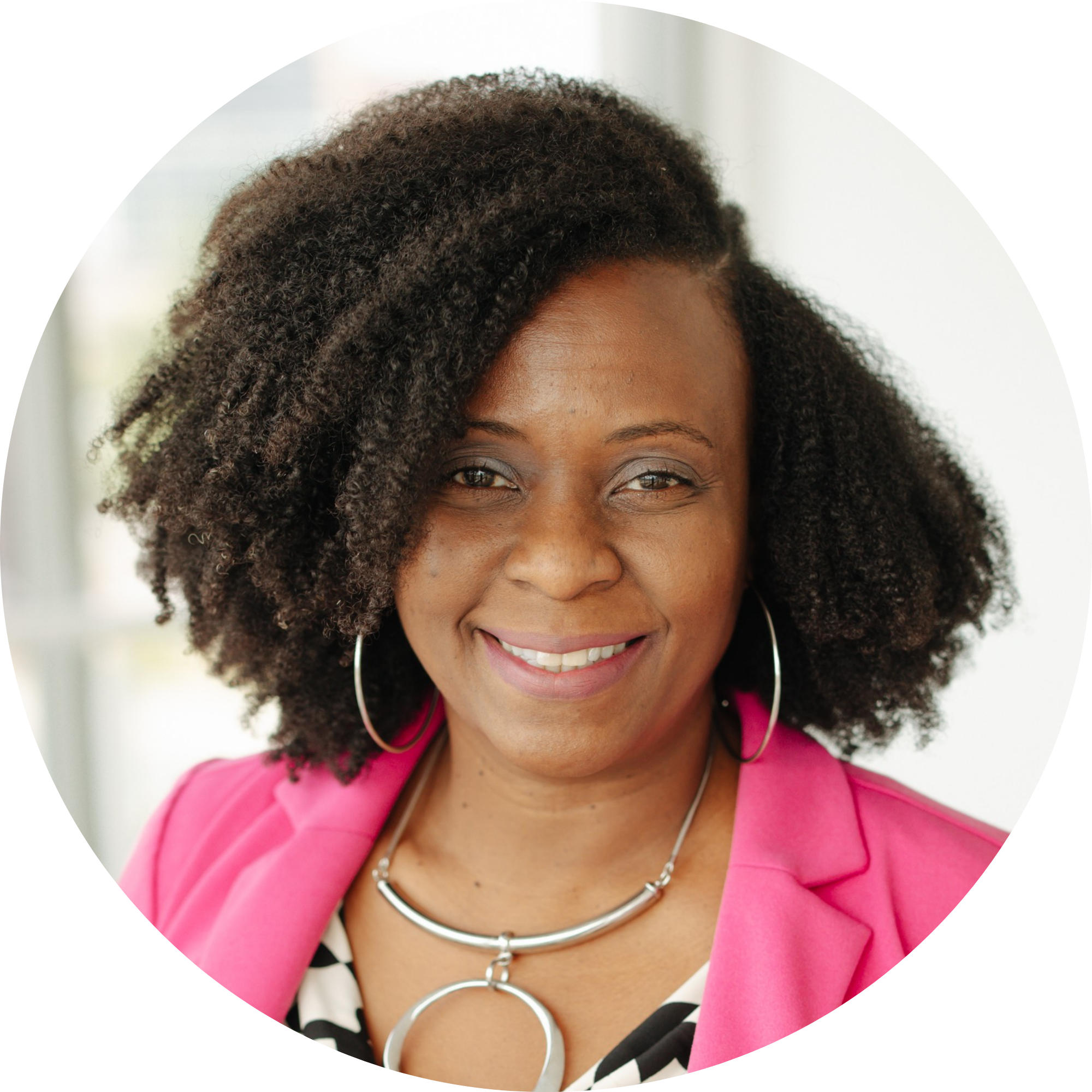
Rhonda Sogren is a fundraising professional, speaker, and writer with over a decade of experience in philanthropy, including extensive work in Legacy and Planned Giving and estate administration. Passionate about the human side of fundraising, she writes and speaks on topics related to philanthropy, culture, emotional intelligence, authentic donor engagement, and the emotional realities fundraisers often navigate behind the scenes. Born in Montreal and raised in Trinidad and Tobago, Rhonda brings a diverse and relationship-centered perspective to her work, with a particular interest in cultural inclusion and underrepresented voices in Legacy Giving and philanthropy. She currently serves as Co-Chair of the Canadian Association of Gift Planners (CAGP) GTA Education Committee. Connect with Rhonda on LinkedIn, or by email at rhondaf.sogren@yahoo.com.