I love this work.
I love sitting with people as they reflect on their lives, the families they’ve raised, the communities they’ve shaped, the gratitude they carry. I love helping donors translate meaning into impact, memory into legacy. Fundraising, at its best, is deeply human work.
And yet, over the course of a career, loving this work can also require learning how to navigate moments that are far less visible; moments shaped not by malice, but by bias that is often unspoken, unconscious, and unnamed.
For many fundraisers from marginalized or underrepresented communities, these moments are not unusual. They are woven quietly into professional life, often unnoticed by those who do not experience them directly.
This reflection is not about any one organization, donor, or workplace. It is about patterns that surface across our sector, often unintentionally and the emotional labour required to move through them.
When bias arrives without ill intent
Bias does not always arrive loudly.
Often, it arrives gently, framed as advice, curiosity, or humor.
Early in my career, a donor once suggested earnestly, that I consider accent reduction classes. Another commented on my hair, noticing its different styles over time, and joked, “I guess when it’s on sale, you buy it.”
There was laughter.
There was no confrontation.
The meeting moved on.
And so did I.
Because the mission mattered. Because the relationship mattered.
Because I understood that these comments were not necessarily rooted in harm; yet they still landed heavily.
Moments like these linger not because of intent, but because of impact. They surface later as quiet questions: How should I sound? How should I present? How much of myself is acceptable here?
These moments are subtle enough to be dismissed, yet meaningful enough to leave a mark.
The bias we rarely name
Over the years, I have heard similar reflections from colleagues across the sector, fundraisers whose names are repeatedly mispronounced, whose identities are carefully sidestepped in conversation, whose appearance becomes a point of commentary rather than neutrality.
People of colour.
Immigrants.
Members of the LGBTQ+ community.
Fundraisers living with disabilities.
I do not claim all of these experiences as my own, but I recognize the shared emotional residue: the careful self-editing, the quiet recalibration, the exhaustion of navigating spaces where inclusion is valued in principle, but uneven in practice.
Much of this bias is unconscious. It is rooted in long-standing norms about what professionalism is supposed to sound like, look like, or feel like. And because it is often unintentional, it is also frequently left unnamed.
The silence that teaches us what matters
What makes these moments heavier is not always the comment itself, but what happens next.
Often, nothing.
There is no follow-up.
No acknowledgment.
No shared language for reflection or learning.
Over time, fundraisers adapt. We soften our tone. We anticipate discomfort before it arrives. We develop strategies not because we lack confidence, but because we want to remain effective in roles we care deeply about.
This is not about blame.
It is about awareness.
Bias becomes embedded not through intent, but through silence when moments pass without reflection or interruption.
For leaders and colleagues, these pauses offer an opportunity: not to defend, but to notice; not to correct, but to remain curious. Awareness begins not with answers, but with attention.
Loving the work should not require self-erosion
Many fundraisers from marginalized communities do not leave philanthropy because they don’t love the work.
They leave because loving it requires too much quiet adjustment.
Too much self-monitoring.
Too much emotional labour that is rarely named.
And still, many stay.
We mentor others.
We build trust.
We strengthen institutions.
We believe deeply in the mission.
Resilience is often celebrated in this profession. But resilience should not be mistaken for ease—nor survival for belonging.
What awareness makes possible
Equity in philanthropy is not about perfection. It is about attentiveness.
It looks like leaders being open to learning, especially when bias is unconscious.
It looks like creating space for reflection, rather than rushing to reassurance.
It looks like recognizing that intent and impact are not the same, and that both matter.
Most importantly, it looks like ensuring that those who love this work are not quietly diminished by it.
A closing reflection
I still love this work.
I believe in its power to shape communities, honour lives, and build a more generous world. This reflection is not a critique; it is an invitation—an invitation to notice what we may not have been taught to see, and to care for the people doing this work as thoughtfully as we care for the missions we serve.
To anyone reading this who has quietly adjusted themselves in order to belong:
You are not imagining it.
And you are not alone.
Someone sees you.
Someone understands.
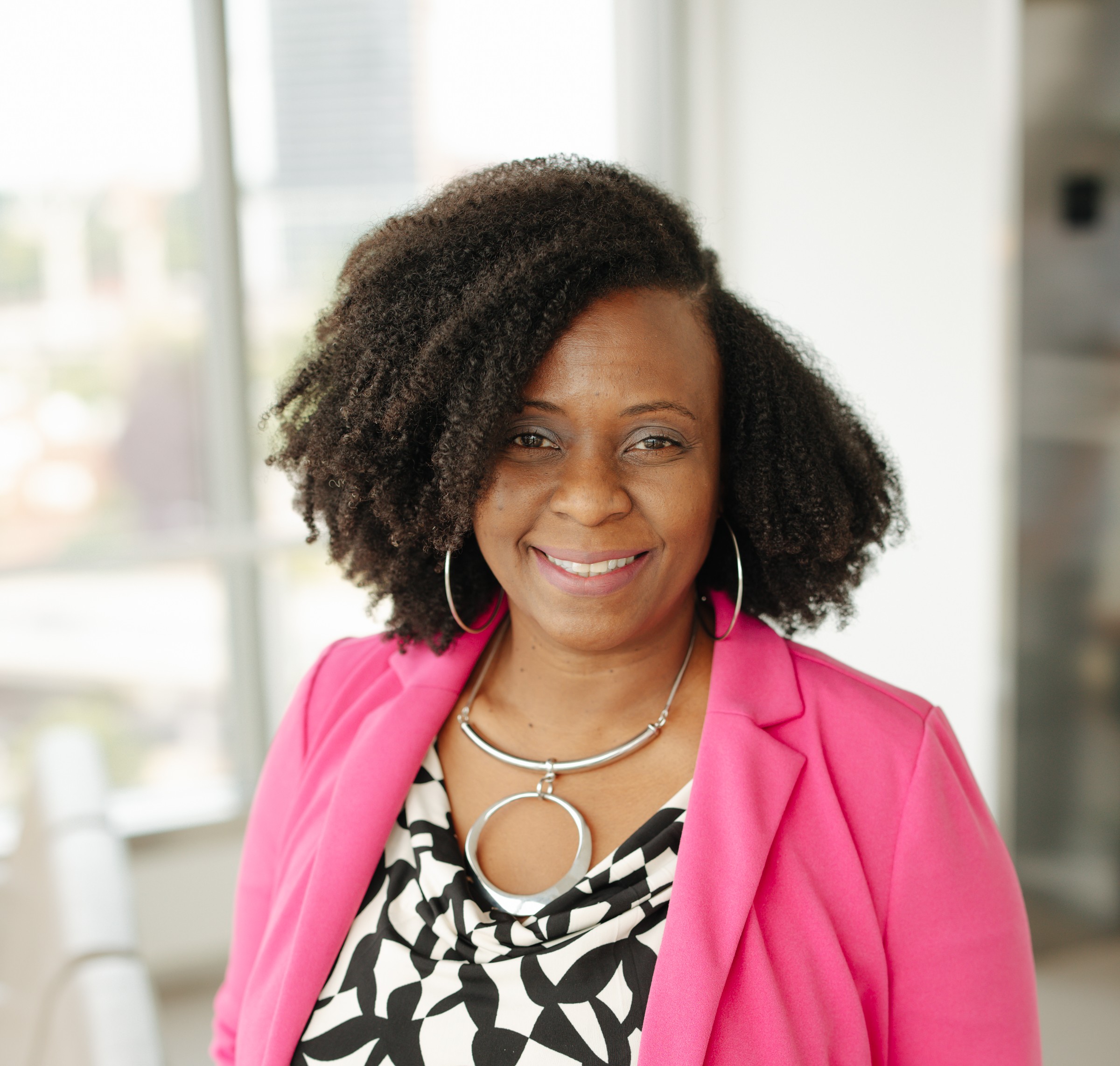 Rhonda Sogren is the Associate Director of Legacy and Planned Giving at North York General Foundation and Co-Chair of the CAGP GTA Education Committee. With over a decade of fundraising experience, including eight years dedicated to legacy gifts, she is passionate about elevating diverse voices in philanthropy and advancing culturally inclusive approaches to estate and legacy planning. Rhonda frequently presents and writes on the intersection of culture, identity, and giving. rhonda.sogren@nygh.on.ca