I’ll admit, I am energized by change. I love new ideas and new ways of working. But I’ve also realized that not everyone shares that enthusiasm, and my excitement can sometimes blind me to others’ anxieties. Because of this, I’ve learned to pay closer attention to how I include others during times of change. It was a lesson learned early in my career, when I experienced firsthand, the impact of communication during organizational change.
At one organization I worked at, major program and structural decisions were made behind closed doors. Meetings were held quietly among a small group of leaders who genuinely wanted to make the organization stronger. Their intentions were good, but the process was isolating. When the changes were finally shared, front-line staff were caught off guard. They had not been asked for input, and they did not understand the "why." The result was resistance, partly because they did not feel part of it.
Experiencing that made me realize that communication is not a final step in change management; it often needs to come first. Moving forward at times of change is always challenging, but it becomes much harder when staff are not included early in the process. When people feel heard and are engaged from the start, the journey feels smoother, even though it requires thought, care, and foresight.
I was fortunate to witness a different approach at another organization. Before a restructuring, leadership hosted a series of open town hall sessions. They didn’t have all the answers, but they were honest about that. Staff were encouraged to bring questions, share concerns, and even brainstorm solutions. The process was not perfect, but people felt seen, and by the time the change was implemented, there was less fear, more curiosity, and a sense of shared ownership.
Communicating with empathy
I’ve seen how people can respond to change in very different ways. Some embrace new directions with energy, while others feel uncertain or anxious. Both reactions are valid, and paying attention to them can make all the difference. In practice, small-group discussions or one-on-one check-ins can help those who feel anxious, while regular updates through email or team meetings provide reassurance to others.
Over time, I’ve started thinking ahead about the questions staff might have before any announcement. It has become part of how I plan change, almost like trying to step into everyone else’s shoes before I even speak. When people feel heard, questions turn into curiosity, and the conversation shifts from “Why is this happening to me?” to “How can I be part of this?”
Reflections on strong communication
Through these experiences, I’ve noticed that strong communication often emerges from small, thoughtful practices rather than a single perfect strategy.
These practices are not rules, but patterns I’ve found helpful in supporting people through workplace change. They reflect what I’ve learned about patience (a quality that doesn’t come naturally to me), intentionality, and the care that communication requires.
The human side of change
At its core, communicating during times of change is about respect. People process information, emotion, and uncertainty in different ways. Giving them time and space to absorb, ask, and adapt signals that they belong and that their perspective matters. When people feel heard, change feels less like a disruption and more like a shared journey. Good communication turns uncertainty into understanding, strengthens connections, and helps organizations grow stronger together.
In the end, change does not fail because it is hard. I’ve learned that it fails when people do not feel heard along the way.
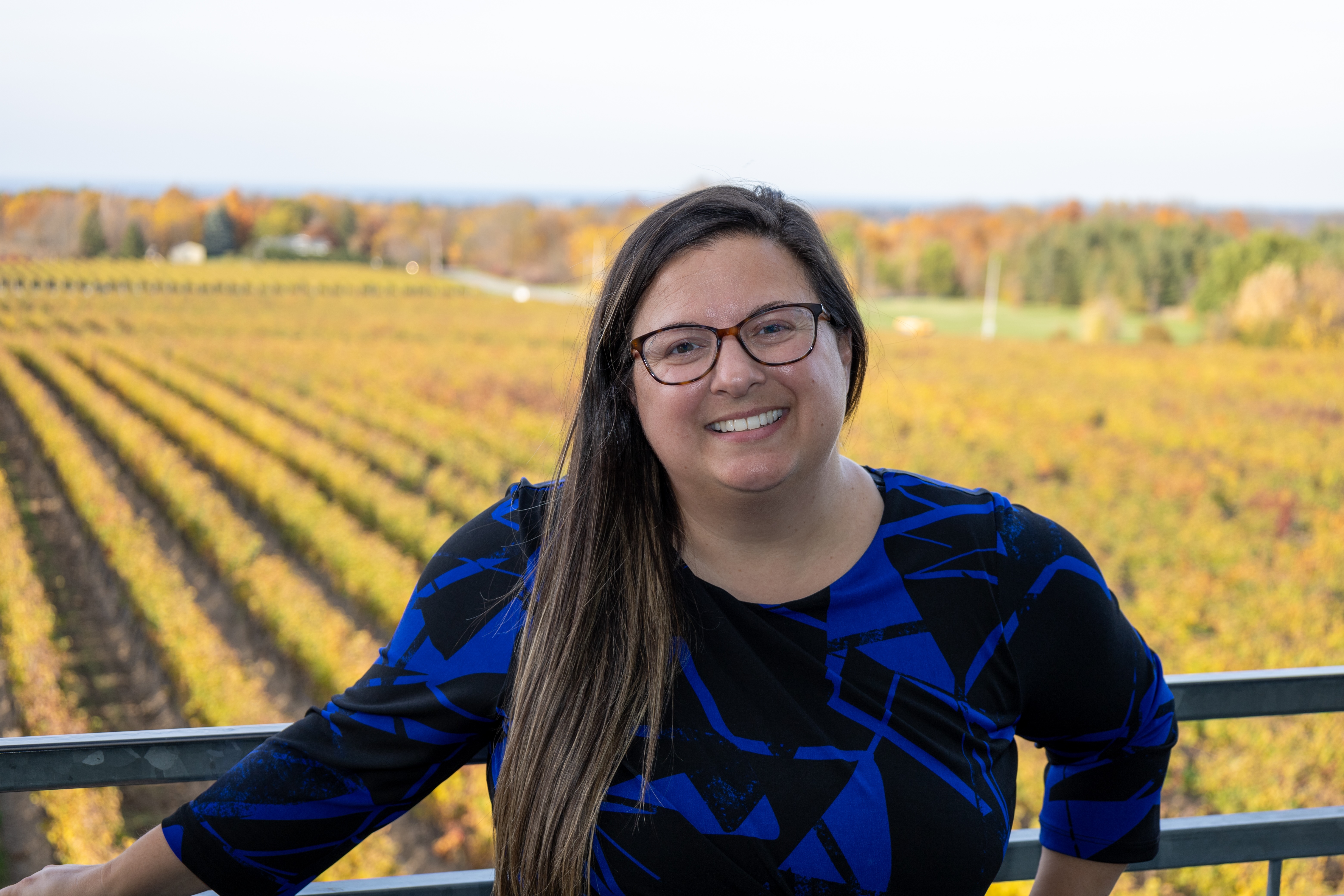 Marla Smith, CFRE, is the Director of Foundation & Communications at Pathstone Foundation, where she leads fundraising and communications efforts to advance mental health services in Niagara. With over 15 years of nonprofit leadership experience, she is passionate about fostering trust, transparency, and meaningful donor relationships through ethical and strategic fundraising practices. An active sector volunteer, Marla serves on the Board of the AFP Foundation for Canada and is a CFRE Ambassador. She also chairs National Philanthropy Day and Education for AFP Golden Horseshoe, championing professional development and philanthropy across the sector. msmith@pathstone.ca