As we move towards the very generous month of December for many charities, I have been reflecting on November’s World Kindness Day (November 13), National Philanthropy Day (November 15) and Giving Tuesday (December 2).
We are living through a time when much of the world feels unsteady. Geopolitical uncertainty, deepening political polarization, accelerating environmental concerns and everywhere we look, people seem tired—frustrated, overwhelmed, and unsure of what might be coming next.
Canadians, famously known for apologizing to lamp posts and bumping into walls with a whispered “sorry,” can turn into entirely different creatures behind the wheel. Road-rage videos of Canadians on Instagram are both hilarious and unsettling, a reminder that even for us very polite Canadians, kindness can evaporate in a flash.
It’s no surprise, then, that this erosion of patience and compassion shows up in our institutions too—including the charitable and philanthropic sector. We are a sector built on generosity, community, and the belief that people want to help. And yet we’re not immune to the frictions of the world around us.
There are countless philanthropists giving generously, thoughtfully, and with deep purpose. There are many charities working with integrity, using donor funds wisely, treating staff well, and achieving meaningful impact. But, there are also people who could give and choose not to. And, there are organizations where unrealistic expectations, toxic leadership, burnout, and internal dysfunction jeopardize the very missions they exist to advance.
At the same time, cultural norms—modelled far too often by public figures—have made bad behaviour seem normal, and sadly, even acceptable. This makes kindness not only rare, but powerful. Kindness is not soft. It is not naïve. In philanthropy, kindness is a powerful approach, one that builds trust, strengthens relationships, and fuels lasting impact.
Because when everything feels fragile, people are longing for spaces where they feel valued, respected, and seen. Philanthropy should be one of those spaces.
Kindness matters more than ever
Kindness is key to building the one thing fundraising cannot thrive without: trust. Trust leads to connection. Connection leads to generosity. And generosity leads to the kind of impact the world desperately needs.
But kindness is not just about tone or pleasantries. It shows up in how leaders lead, how staff are treated, how donors are stewarded, how colleagues treat each other, and how missions are communicated. It is the foundation of healthy cultures, meaningful philanthropy, and credible institutions.
So, how do we bring more kindness back into the sector? Here are three ways I believe philanthropic leaders, fundraisers, and organizations can start.
1. Lead with transparency, vulnerability and humanity.
Kindness begins with clarity, honesty, and empathy. Leaders can set the tone by demonstrating that being human is an asset, not a liability. When they communicate transparently—sharing challenges openly, acknowledging uncertainty, and listening actively—they build trust that no marketing material can replicate.
Let donors see your passion and understand your challenges.
Let staff feel safe raising concerns and proposing ideas.
Let volunteers know their time and contributions truly matter, and that we hope they’ll also help build a place full of kindness and energy.
People respond to and give to people—not institutions, not AI. We must remember that transparency, paired with humanity, is kindness in action.
2. Build cultures that care for their people.
Kindness cannot be a slogan. It must be a practice.
Some organizations elevate their missions but forget their people. Under-resourced teams get burned out. Many development officers struggle to hit unrealistic targets. Toxic behaviours go unaddressed. These cultures drain energy, relationships, and ultimately revenue.
A culture of kindness looks like this:
When staff thrive, organizations thrive. When staff are treated with dignity and care, they extend that same care to donors and volunteers—and they respond with trust and loyalty.
3. Design donor experiences rooted in respect, not pressure.
Kindness in fundraising means prioritizing relationships over transactions. It means thanking donors in ways that feel sincere—not formulaic. It means grounding conversations in values, impact, and partnership. It also means understanding that donors are not ATMs—they are humans with hearts, hopes, ideas, and motivations.
Respect is another secret ingredient to long-term philanthropy. And respect is simply kindness put into practice.
Choose kindness—as strategy, culture, and legacy
The world may feel like it’s wobbling, but our sector has an extraordinary opportunity: to be a model of what healthy, humane systems look like. To show that kindness is not weakness—it is wisdom. It is effective. It generates trust, revenue, community, and long-term impact.
Kindness is not just the Canadian stereotype we laugh about. It is a leadership competency. A strategic advantage. And perhaps, the exact antidote the world needs right now.
In philanthropy and in life, kindness always wins.
And when it does, everyone does.
Here’s to leading with courage, care, generosity—and kindness—today and every day.
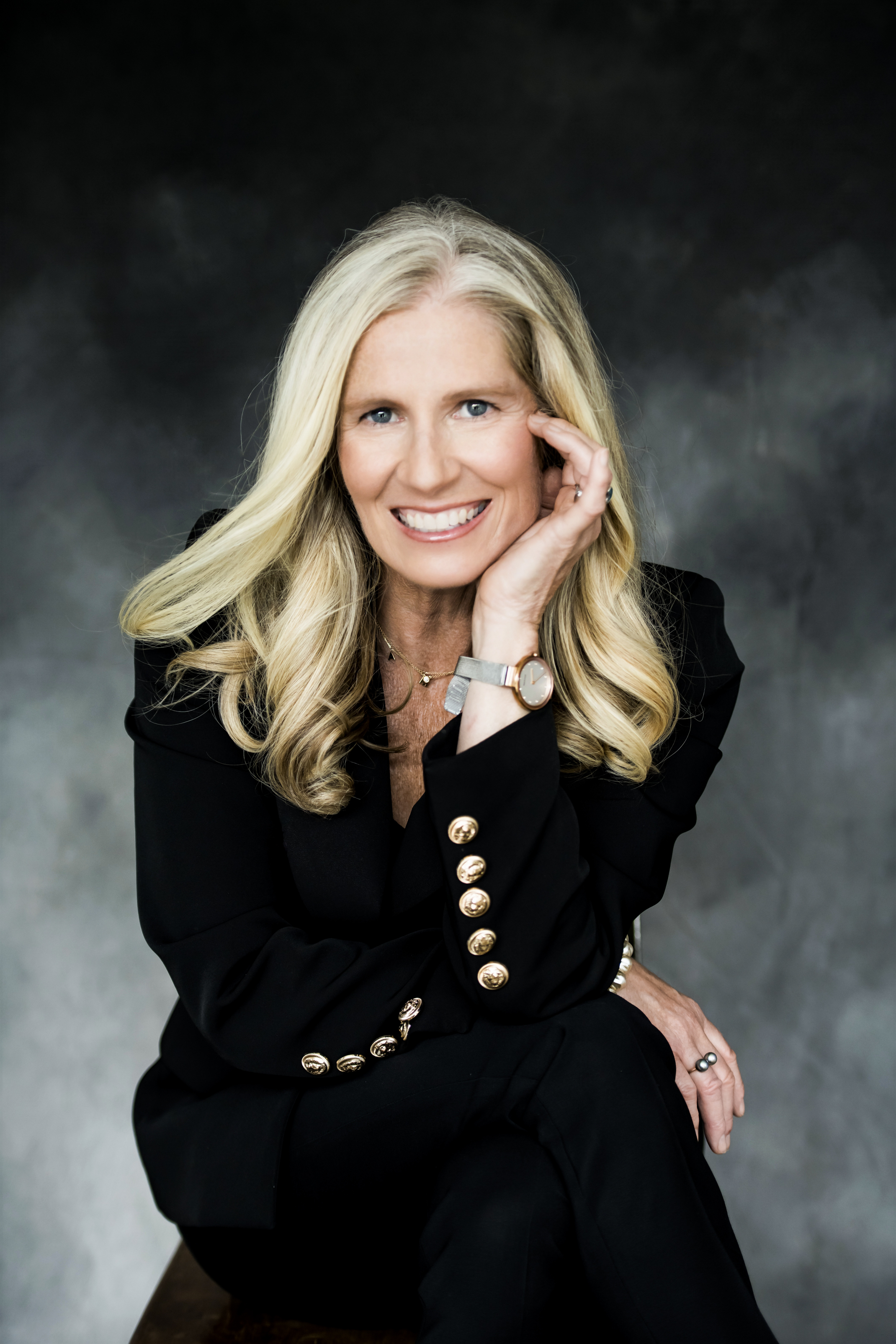 Robin Fowler, MEd, CFRE, is the Founder and Principal of Flex Philanthropy, a firm that helps fundraisers and mission-driven organizations grow their impact through values-based, people-first coaching and strategy development. Robin has more than 30+ years as a successful fundraising leader, strategist and community builder. Over her long career in consulting and in executive roles leading organizations, Robin has raised and helped her clients raise many hundreds of millions of dollars, and successfully executed and scaled high-impact, multi-faceted philanthropic campaigns and initiatives. Email: robin@flexphilanthropy.ca Web: flexphilanthropy.ca