If you are practicing ethical storytelling, you already know the answer. But in today’s world, especially in the nonprofit and social impact space, that line is not always clear.
Coming from the film and television industry, I spent years in an environment where storytelling was driven by box office results, not ethics. It was about spectacle, attention, and getting as many eyes on the screen as possible. But storytelling in the nonprofit sector has a completely different purpose. It isn’t about likes, clicks, or donor-driven demands for “impactful” stories. It’s about honouring the dignity, agency, and safety of the people and communities we work with.
I wish I could say I understood this from day one at Cameras For Girls, but I didn’t. In the early days, I was focused on visibility, not impact. I shared stories about our students, not with them. I didn’t yet understand the power dynamics at play or the harm I could unintentionally contribute.
That understanding changed the day one of our students asked me to take down her photo from Instagram. Nothing about the post was derogatory or inaccurate. The issue was cultural. Her brother didn’t know she was working as a sports photographer—a field dominated by men—and he was concerned about how their village might react to seeing her in that role. In that moment, I realized that even well-intentioned, “positive” storytelling can put people at risk when consent and cultural context are not fully understood.
It forced me to ask difficult but necessary questions:
Ethical storytelling is not a buzzword. It is a framework rooted in consent, co-creation, and dignity. And when we look at it through the lens of Donald Miller’s book Building a StoryBrand, the clarity becomes even sharper. In this incredible book, while meant for the for-profit world, the lessons can be transferrable to a nonprofit context.
Your organization is never meant to be “the hero”; the people and communities we walk alongside are. Our role is as “the guide.” Ethical storytelling aligns with this fully. It requires us to step out of the spotlight and support the individuals at the heart of our mission as they take center stage. Their goals, their challenges, and their decisions drive the story. We simply walk with them, offering support, not ownership of their narrative.
At Cameras For Girls, this means changing our language
You won’t hear us say “serve,” “beneficiaries,” or “empowered.” We walk alongside our students, and everything you see, from social media to newsletters to blogs, is created with them, reviewed by them, and grounded in informed consent. Sometimes this requires a trauma-informed approach, especially when stories involve sensitive realities like workplace harassment, denial of opportunity, or gender-based violence. Ethical storytelling requires care, patience, and humility. It is not fast storytelling, but it is the right storytelling.
And while much of our work happens in East Africa, ethical storytelling is not limited to the Global South. Here in Canada, many nonprofits work with people experiencing homelessness, food insecurity, substance use, or domestic violence. The same principles apply. Just because we hold funding or resources does not give us the right to shape someone’s story for our benefit. Dignity and autonomy must remain at the center.
What’s at stake when we don’t practice ethical storytelling?
Everything.
We erode trust, not only with the people at the heart of our mission, but also with donors, partners, and the sector as a whole. And in a world where trust is already fragile, we cannot afford to lose it.
Ethical storytelling isn’t a communications strategy. It’s a commitment. A relationship. A way of honouring the humanity of the people who make our work possible.
In my next article, I’ll share practical steps you can take to begin your ethical storytelling journey, no matter your organization’s size, budget, or geography.
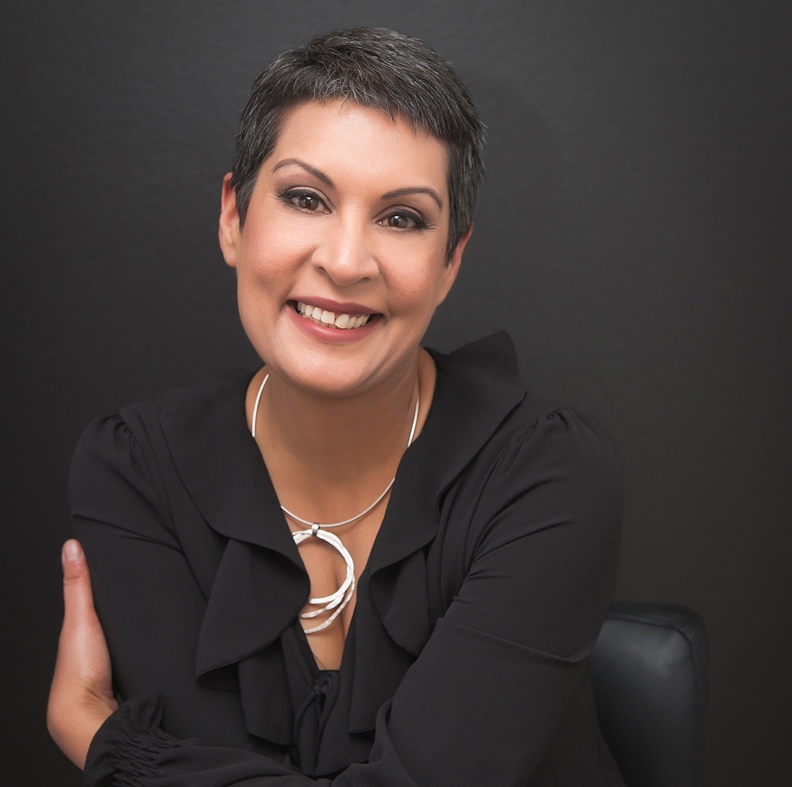 Amina Mohamed is a photographer, ethical storytelling advocate, and the Founder of Cameras For Girls. Her work focuses on shifting power back to the storyteller, ensuring young women across Africa can share their own narratives with accuracy, dignity, and informed consent. Through her year-long photography and communications program, Amina has trained over 200 women, with more than 80 percent securing paid media work. She now teaches ethical storytelling to nonprofits, helping them move from extractive narratives to partnership-based storytelling that builds trust and honours humanity amina@camerasforgirls.org