In part one, spiritual intelligence (SQ) is a framework to examine values, ethics and moral courage. In part two we explore how SQ supports relational power over ego power, and how hope is the igniting force to sustain our vision.
Do you notice when your ego is consuming your higher self? People can become enamoured with title, power and privilege, sinking into habits of control, criticism and self-preservation instead of inspiration and empowerment. All power creates energy—positive or negative.
In the words of John O’Donahue (2008):
“Remember to be kind
To those who work for you.
Endeavor to remain aware
Of the quiet world
That lives behind each face.
Be fair in your expectations,
Compassionate in your criticism
May you have the grace of encouragement
To awaken the gift in the others’ heart
Building in them the confidence
To follow the call of the gift.”
Do you want to work for, or be this sort of leader?
The following chart describes enlightened verses darkened leadership. On which side of the line do you wish to stand?
| ENLIGHTENED LEADERSHIP | DARKENED LEADERSHIP |
|
Passion Collaboration |
Power Take credit for people’s work |
SQ instills traits described in ancient scripture such as “love, joy, peace, patience, kindness, goodness, faithfulness, gentleness and self-control”. No matter your belief system, the universe resonates with those gifts.
Leaders, SQ isn’t fluff. It is an evidence-based approach to fostering, creative, innovative organizations able to thrive at the edge of uncertainty.
Hope: The leadership superpower
Hope is not delusional, magical thinking. Practising SQ allows us to acknowledge “something bigger”, igniting our higher purpose, calling us to make wise and compassionate decisions. We can be a calm and healing presence and help sustain faith in difficult times.
We must acknowledge the global poly-crisis: pandemic after-effects, economics, poverty, climate change, wars, polarization and, more recently, the unpredictability of a once (seemingly) stable global ally. Interdependent problems may cause despair as the chaos seeps into our work. Homer Dixon (2023) asserts that hope is essential in exploring solutions to this poly-crisis and without hope, we cannot lead. (By the way, we cannot fundraise without hope either.)
We see a huge gap between the broken world and what we desire but “our longing for a more virtuous world is a sign that a better world is possible” (Quinn 2004).
“Every moment of this journey requires that we be comfortable with uncertainty and…that we stay together. After all, we have the gift of each other. We have each other’s curiosity, wisdom, and courage. And we have Life, whose great ordering powers, if we choose to work with them, will make us even more curious, wise, and courageous.” (Wheatley, 2006).
How will you lead toward hope?
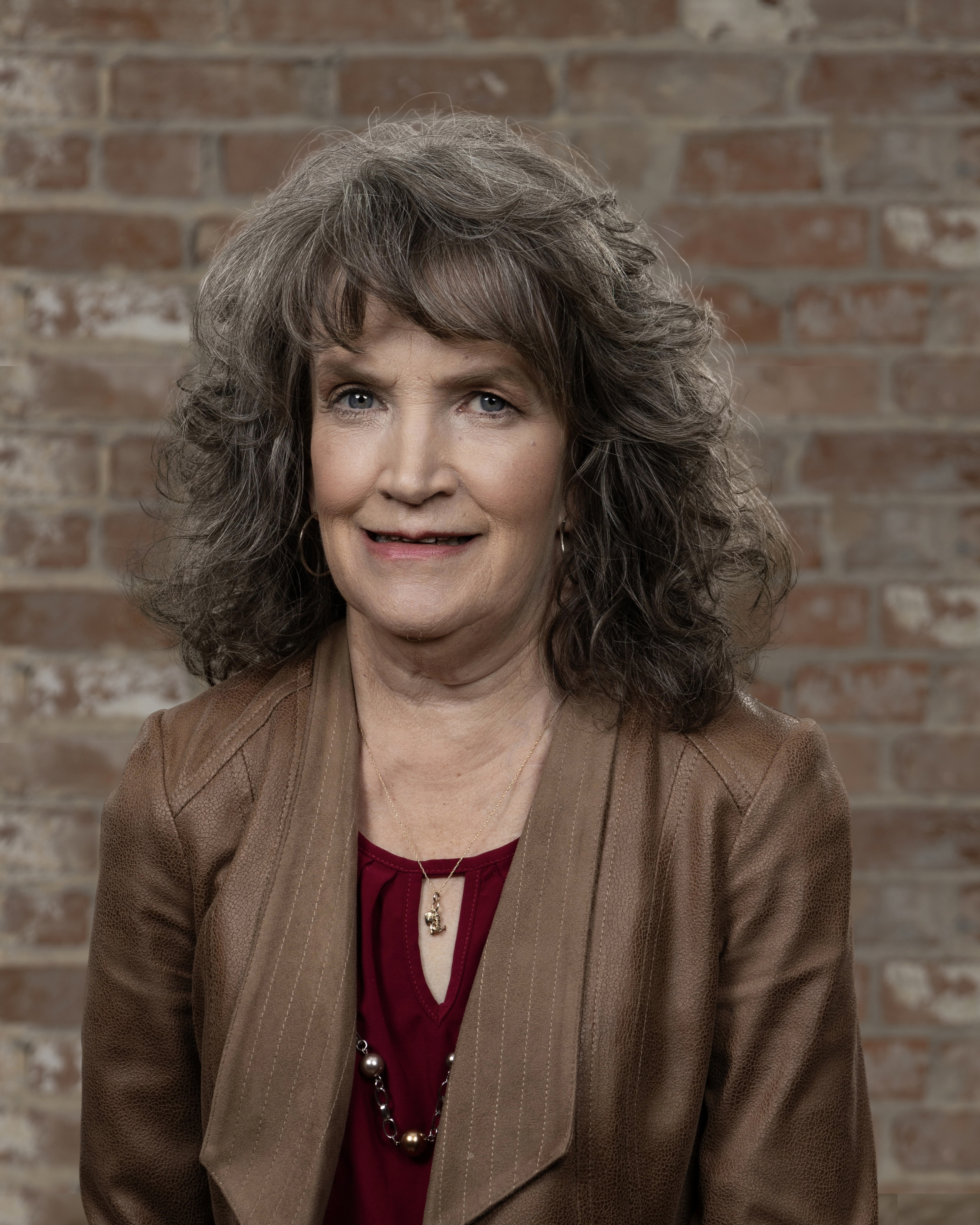 Kathy MacFarlane has an MA in Leadership, CFRE, and is a Leadership Consultant, a Certified Spiritual Intelligence coach, an MBTI practitioner and a Resilience @cWork Coach. Kathy is passionate about healthy leadership so people can thrive at work. She aims to maximize creativity and innovation by inviting people to bring their souls to the workplace. Kathy spent 30 years leading fundraising in children’s services, health care, college and university settings. She has extensive experience in legacy giving, major gifts, capital campaigns, annual giving, grant writing, and special events. https://kathymacfarlane.com/
References:
Homer-Dixon, T, (2023,05,30), Leadership in a Global Polycrisis, Royal Roads University.
O’Donohue, J. (2008). To bless the space between us: A book of blessings (1st ed). Doubleday.
Quinn, Robert E. (2004). Building the Bridge as You Walk on It: A Guide for Leading Change. Jossey-Bass. Kindle Edition.
Wheatley, Margaret J. (2006) Leadership and the New Science: Discovering Order in a Chaotic World. Berrett-Koehler Publishers. Kindle Edition.
Wigglesworth, Cindy. (2012). SQ21: The Twenty-One Skills of Spiritual Intelligence. SelectBooks, Inc. Kindle Edition.